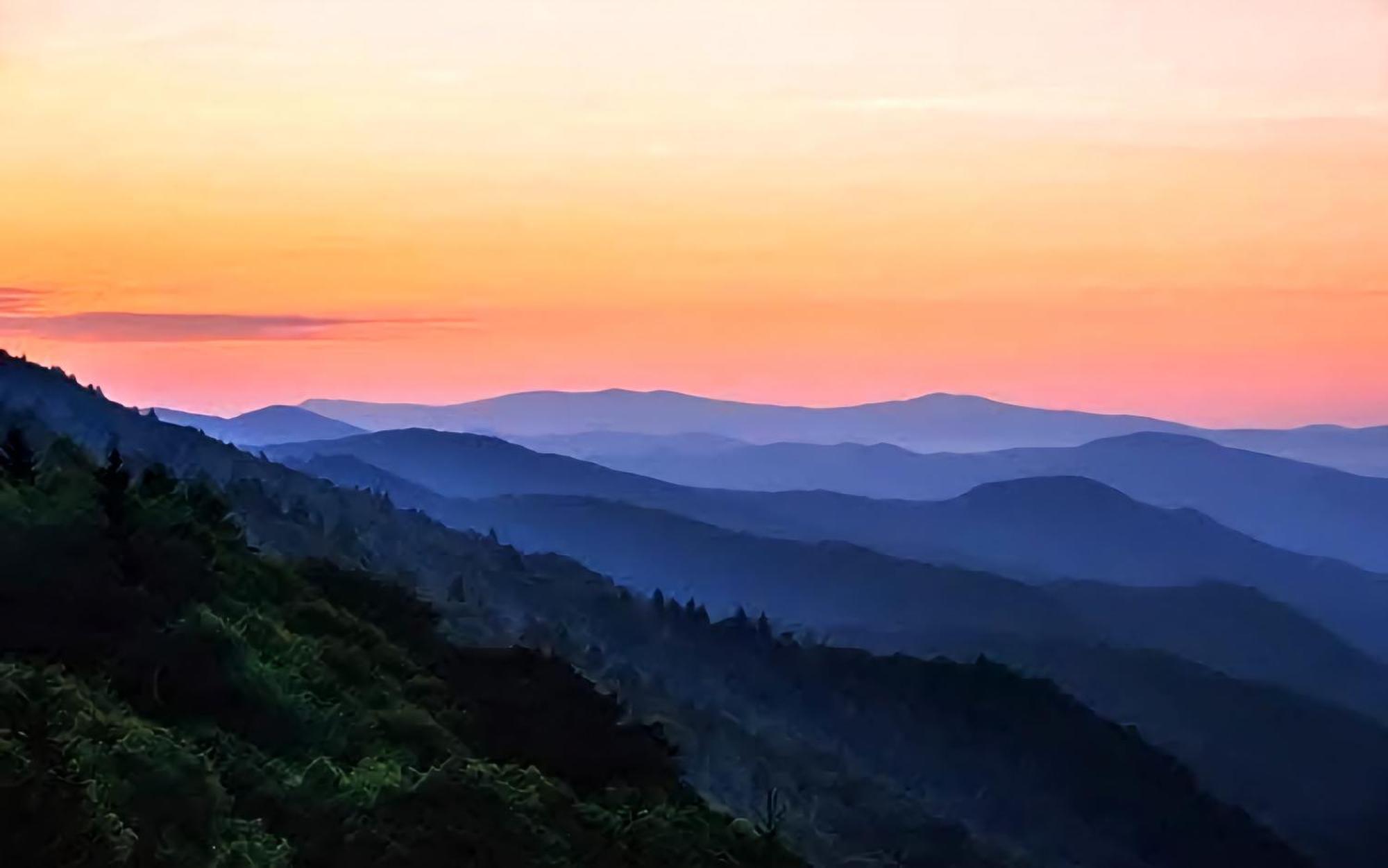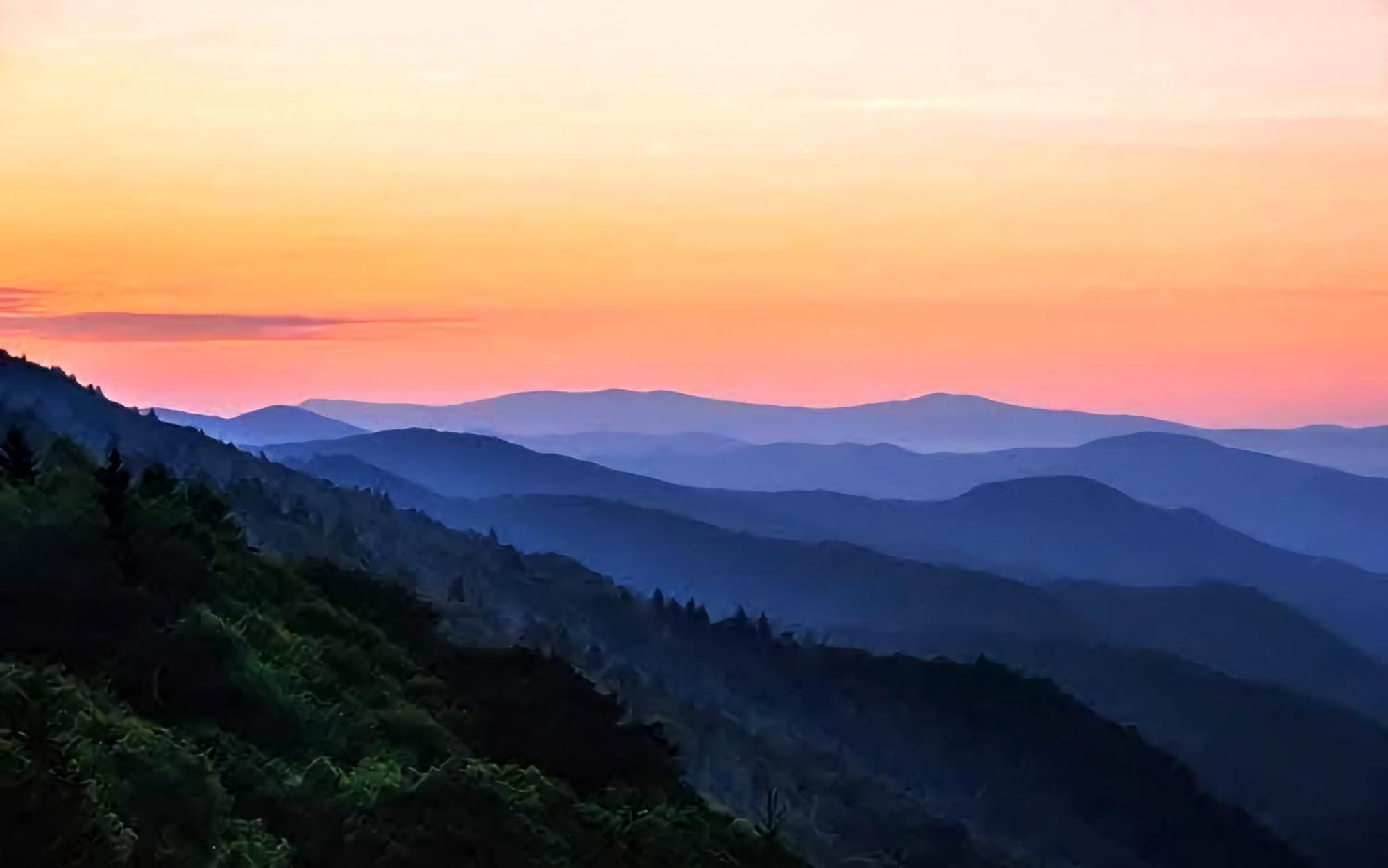
The Appalachian Mountains stretch over 2,000 miles across 14 U.S. states, offering solo travelers an extraordinary mix of wilderness access, historic small towns, and outdoor adventure corridors. From the Berkshires of Massachusetts to the Blue Ridge of Virginia and the gorges of Georgia, finding the right base matters as much as the destination itself. This guide covers 15 vetted hotels across the Appalachian chain, selected specifically for solo travelers who want reliable amenities, safe surroundings, and practical access to trails, parks, and local culture.
What It's Like Staying in the Appalachian Mountains as a Solo Traveler
Staying in the Appalachian Mountains as a solo traveler means trading urban density for trail access, scenic drives, and towns where a single person dining or exploring draws no attention. The region operates on a car-dependent rhythm - most hotels are clustered near state parks, interstate exits, or small downtown corridors, meaning you'll need a vehicle to reach trailheads, gorges, and cultural sites. Crowd levels stay manageable outside of leaf-peeping season (October) and summer weekends, making shoulder months like May and November surprisingly peaceful for independent explorers.
Solo travelers who benefit most from basing here are hikers targeting the Appalachian Trail, road-trippers moving between states, and those seeking low-cost nature immersion without a resort price tag. If you require walkable urban nightlife or reliable public transit, the Appalachian corridor will frustrate - most towns have populations under 30,000 and evening dining options close early.
Pros:
- Direct access to state parks, gorges, and national forests without competing for trail space
- Solo-friendly motel and inn culture - single occupancy rooms are standard and unpenalized in pricing
- Low overnight costs compared to coastal destinations, with free parking universally available
Cons:
- A personal vehicle is essential - no meaningful public transport connects mountain towns
- Evening dining and social options are limited in most rural Appalachian communities
- Cell coverage drops significantly on mountain roads and in gorge areas
Why Choose Solo Traveler Hotels in the Appalachian Mountains
Hotels positioned along the Appalachian corridor are almost universally designed around practical, no-frills comfort - which works strongly in a solo traveler's favor. Single-room rates at independent motels and branded inns typically run well below $120 per night outside peak season, and nearly every property provides free parking, free breakfast, and in-room microwaves and refrigerators that allow solo travelers to manage food costs independently. Room sizes at Appalachian mountain hotels tend to be generous by American standards, reflecting the region's road-trip and outdoor-recreation clientele rather than a compressed urban footprint.
The trade-off is consistency - amenity quality varies considerably between a family-owned motel on Route 4 in Vermont and a branded chain off I-81 in Virginia. Solo travelers who prioritize fitness centers, business centers, or pools will find them at select properties, but not universally. Breakfast inclusions are a meaningful differentiator, with around half of the properties in this guide offering hot or buffet breakfast that meaningfully cuts daily food spend for a lone traveler.
Pros:
- Single-occupancy pricing is standard - no double-room surcharges common in urban boutique hotels
- Free breakfast at multiple properties reduces solo food costs significantly
- Free parking eliminates a major urban travel expense for road-tripping solo travelers
Cons:
- Amenity quality is inconsistent - pools, gyms, and business centers are not guaranteed across all properties
- Some rural locations offer no walkable dining or entertainment within reasonable distance
- Peak-season weekends in October and July see sharp rate increases even at budget properties
Practical Booking & Area Strategy for Solo Travelers
For solo travelers planning an Appalachian road trip, positioning matters more than any single hotel feature. The northern section - Vermont's Quechee Gorge and Warren/Sugarbush area - suits hikers and skiers targeting Green Mountain terrain, with Route 4 and I-89 providing efficient north-south movement. The central corridor through Virginia (Staunton, Roanoke, Marion, Christiansburg) gives solo travelers fast interstate access via I-81 while sitting within striking distance of Shenandoah National Park and the Blue Ridge Parkway. The southern Appalachian zone - Monteagle in Tennessee, Clayton in Georgia, and LaFayette near Chattanooga - puts solo explorers within range of Lookout Mountain, Tallulah Gorge, and the upper reaches of the Appalachian Trail.
For solo travelers moving through multiple states, booking 2 nights per base location allows enough time for one full trail day and one cultural or town exploration day without rushing. Book at least 6 weeks ahead for October stays - leaf season drives occupancy to near capacity across the entire mountain chain, and last-minute availability disappears fast even at budget motels. Maryland's Hagerstown and Frostburg serve as practical overnight stops for travelers driving the I-81 or I-68 corridors between the mid-Atlantic and the South.
Best Budget Stays for Solo Travelers
These properties deliver reliable solo-travel fundamentals - in-room kitchen amenities, free parking, and breakfast inclusions - at the lowest price points along the Appalachian corridor, making them strong picks for multi-night road trips where accommodation spend needs to stay lean.
-
1. Quality Inn Monteagle
Show on map


Rooms filling fast – secure the best rate!
fromUS$ 155
-
2. Americas Best Value Inn - Clayton
Show on map


Best price guarantee
fromUS$ 70
-
3. Econo Lodge Hagerstown
Show on map


Just a few rooms left at the best rate!
fromUS$ 81
-
4. Super 8 By Wyndham Clearfield
Show on map


Rooms filling fast – secure the best rate!
fromUS$ 62
-
5. Rodeway Inn Sweetwater South
Show on map


Just a few rooms left at the best rate!
fromUS$ 67
-
6. Kings Inn
Show on map


Hurry – almost gone at this price!
fromUS$ 72
Best Mid-Range Picks for Solo Travelers
These properties step up with stronger amenity sets - heated pools, hot tubs, ski access, full breakfast spreads, and more curated settings - while remaining accessible for solo travelers who want a more comfortable mountain experience without crossing into resort-tier pricing.
-
7. Surestay Hotel By Best Western Christiansburg Blacksburg
Show on map


Hurry – almost gone at this price!
fromUS$ 103
-
8. Quality Inn & Suites Frostburg-Cumberland
Show on map


Rooms filling fast – secure the best rate!
fromUS$ 130
-
9. Red Roof Inn Marion, Va
Show on map


Best price guarantee
fromUS$ 73
-
10. Berkshire Inn
Show on map


Hurry – almost gone at this price!
fromUS$ 80
-
11. Woodspring Suites Roanoke
Show on map


Rooms filling fast – secure the best rate!
fromUS$ 99
-
12. The Historic Berkeley Place
Show on map


Hurry – almost gone at this price!
fromUS$ 195
-
13. Align Inn Vermont
Show on map


Just a few rooms left at the best rate!
fromUS$ 168
-
14. The Lodge At Lincoln Peak At Sugarbush
Show on map


Just a few rooms left at the best rate!
fromUS$ 296
-
15. Woodsy Way Cabin
Show on map


Best price guarantee
fromUS$ 177
Smart Timing and Booking Advice for Solo Travelers in the Appalachian Mountains
The Appalachian Mountains experience two distinct demand spikes that solo travelers should plan around: summer weekends (late June through August) when families occupy trail-adjacent hotels, and fall foliage season in October when occupancy across the full mountain chain rises sharply and rates can climb around 40% above the rest-of-year baseline. May and early June are the strongest months for solo travelers - wildflowers are in bloom along the Appalachian Trail, temperatures are mild for hiking, and hotel rates sit at their annual low before summer demand kicks in. November through early December is similarly quiet and affordable, with bare-branch views opening up long-distance ridge lines that summer foliage obscures.
For ski-focused solo stays at properties like Sugarbush or Bousquet, January and February demand is high - book at least 8 weeks in advance for peak winter weekends in Vermont and Massachusetts. For southern Appalachian destinations like Monteagle, Clayton, and LaFayette, spring and fall offer the most pleasant hiking conditions with thinner crowds than the summer peak. Multi-night stays of 3 or more nights consistently unlock better nightly rates at independent properties, and mid-week arrivals (Tuesday or Wednesday) almost always yield lower rates than Friday or Saturday across the entire mountain corridor.